
Run decisions
Transmutation
How elemental buildup becomes a combat state and how to plan around it.
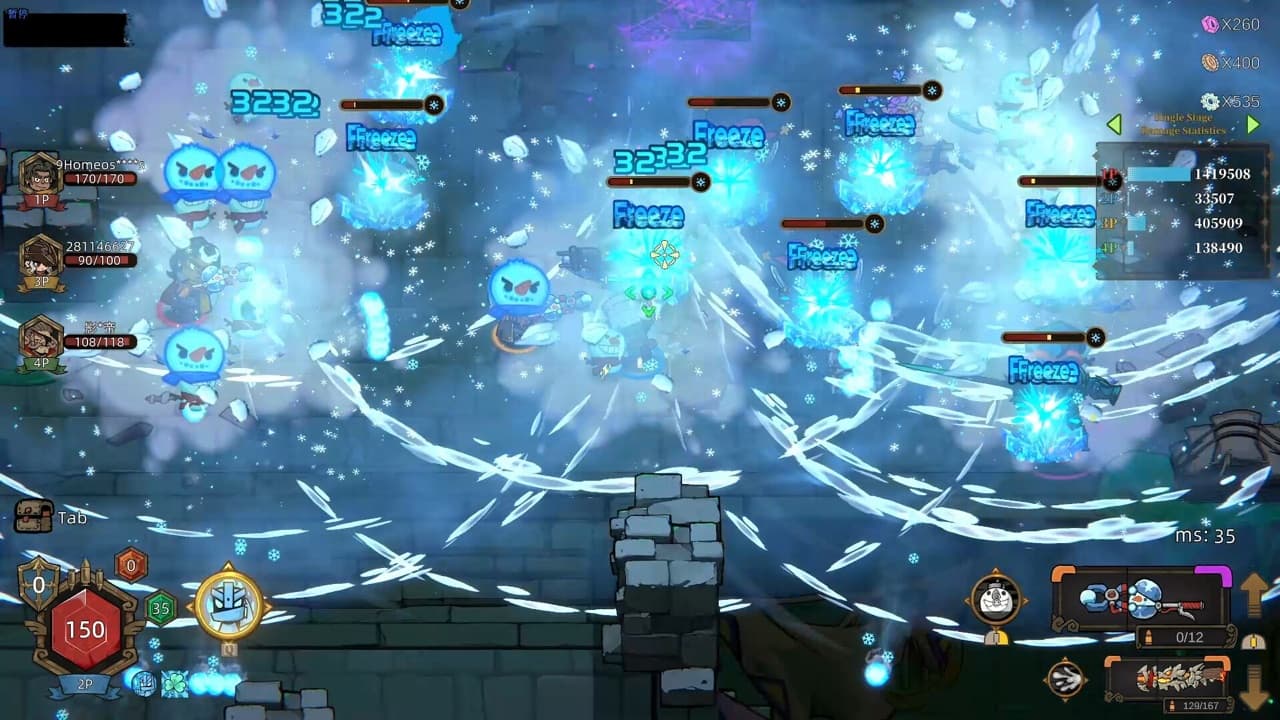
Match the element to the result
Physical builds Hemorrhage, Frost builds Freeze, Lightning builds Disruption, Acid builds Corrosion, and Fire builds Ignition. A tooltip that names one of these states is asking for the matching buildup or a direct trigger.
Separate buildup from payoff
The weapon that applies buildup does not need to be the weapon that consumes the window. Decide which slot starts the state, which effect profits from it, and whether swapping weapons breaks the trigger cadence.
Count conditions honestly
Direct triggers, enemy-state requirements, and short timing windows are conditional results. Do not add their percentages to permanent panel totals; test whether the room and weapon loop can maintain the condition.
Bring useful coverage
A second element can solve a matchup, but two half-built Transmutation plans usually underperform one complete loop. Add coverage after the main buildup source and payoff are already reliable.
Read the current Disruption rule
Disruption creates a Lightning follow-up window and now also deals one direct-damage instance when it triggers.
Assign the team window
In co-op, name the player who completes buildup and the players who exploit the resulting control, resistance reduction, or damage window. Freeze can buy time to reposition or revive; Corrosion and Disruption are strongest when the team focuses the same target.
Recover when buildup stalls
If the state rarely appears, test the loop in order: keep one target alive long enough to observe buildup, remove the second element, and check whether weapon swapping interrupts the source. When the state triggers reliably again, add the payoff first and only then restore coverage.